



China Unveils First 30 Standardized Tourism Experience Destinations
The Ministry of Culture and Tourism, jointly with the Ministry of Commerce, launched the first batch of nationally standardized tourism experience destinations under the initiative 'Travel with Brands' on May 10, 2026. Though the exact event date was not specified in the original announcement, this policy rollout marks a structural shift toward export-ready, brand-aligned cultural tourism modules. The initiative directly impacts the global tourism supply chain, particularly enterprises engaged in cross-border distribution, digital integration, and standardized service delivery.
Official Rollout of Standardized Tourism Experience Destinations
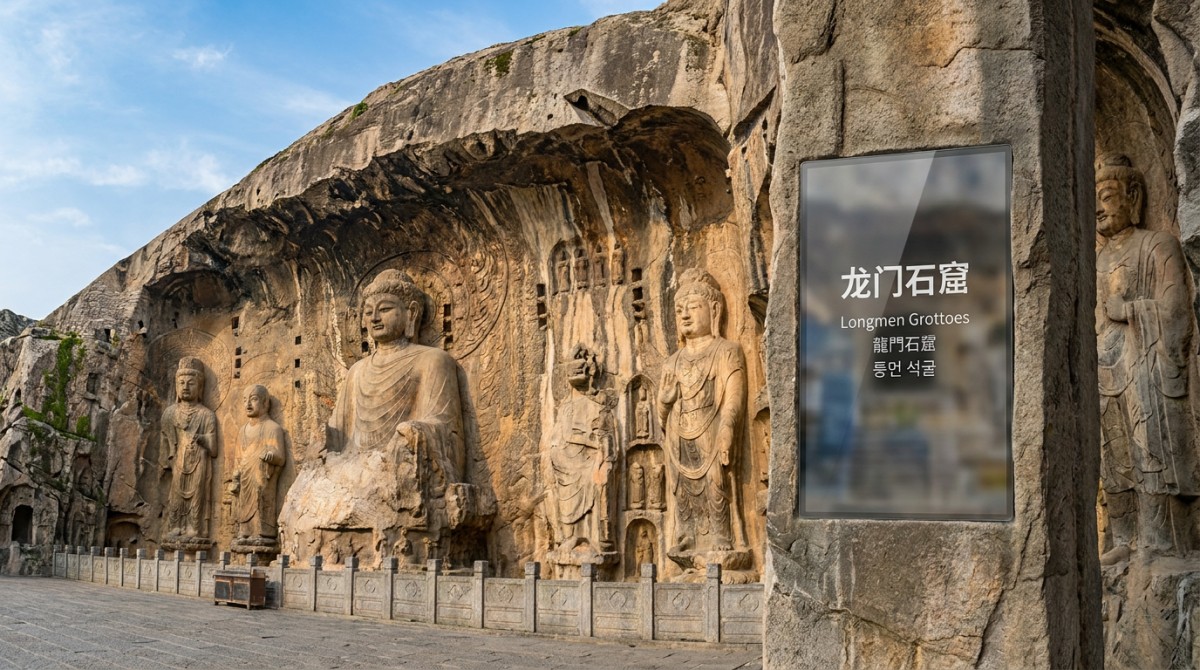
On May 10, 2026, the Ministry of Culture and Tourism published the inaugural list of 30 national 'Travel with Brands' experience destinations. Nine locations in Henan Province were selected—including the Longmen Grottoes in Luoyang, Shaolin Temple in Zhengzhou, and the Yin Ruins in Anyang. The program is co-led by the Ministry of Culture and Tourism and the Ministry of Commerce. Its core objective is to develop modular, brand-consistent, and internationally distributable tourism products. Technical specifications for international distribution—including API data interface standards—have been formally released and are now accessible to qualified partners.
Impact Across Tourism Supply Chain Roles
International Tour Operators & Distributors
These enterprises face new technical and contractual requirements due to the standardized API interface and interoperability mandates. Integration with the national distribution platform will affect booking engine compatibility, real-time inventory synchronization, and multilingual content ingestion workflows.
Local Tourism Service Providers
Operators managing listed sites must align service delivery, staff training, digital signage, and visitor data collection with centrally defined brand and quality benchmarks. Non-compliance may restrict access to international sales channels.
Tourism Technology Developers
Software vendors supporting destination management systems (DMS), CRM platforms, or mobile apps must adapt to the published API schema and data exchange protocols—especially for real-time availability, pricing, and certification verification fields.
Logistics & Visitor Experience Support Providers
Firms delivering multilingual guide services, transport coordination, accessibility infrastructure, or branded merchandise must meet newly codified service-level definitions tied to each designated destination module.
Key Operational Priorities for Enterprises
API Integration and Interface Compliance Review
Enterprises planning to distribute or manage listed destinations must verify technical alignment with the officially published API specification—including authentication, payload structure, error handling, and update frequency requirements.
Brand Consistency and Content Standardization
Marketing assets, multilingual descriptions, audio guides, and visual materials must conform to centralized brand guidelines—not just for logos or colors, but for narrative framing, historical interpretation tone, and accessibility metadata.
Cross-Border Distribution Readiness
Eligibility for inclusion in international travel marketplaces (e.g., global OTAs, airline loyalty programs) now depends on successful API integration and audit-based verification of compliance with the 'Travel with Brands' operational framework.
Supplier Qualification and Certification Documentation
Third-party service providers—including transportation operators, catering vendors, and accessibility equipment suppliers—must prepare verifiable documentation demonstrating adherence to the program’s service standards, including staff certification records and facility inspection reports.
Industry Perspective: A Strategic Shift Toward Export-Grade Tourism Modules
Analysis shows that this initiative signals more than a marketing campaign—it reflects a deliberate institutional effort to transform domestic cultural assets into globally tradable, contractually enforceable service modules. From an industry perspective, the emphasis on API standardization and cross-border procurement readiness suggests a growing convergence between tourism and digital trade infrastructure. What deserves closer attention is how quickly regional operators can scale up technical capacity to meet interoperability thresholds—and whether certification pathways will remain centralized or evolve toward third-party accreditation models. Observably, the move lowers entry barriers for international buyers while raising compliance thresholds for local suppliers.
Strategic Significance for Global Tourism Markets
This development formalizes a new category of tourism product: one designed from inception for scalability, replication, and regulatory predictability across jurisdictions. It does not guarantee increased foreign visitation, but it does reduce friction in procurement, contracting, and technical integration for global travel platforms. A rational interpretation is that China is treating high-value cultural heritage not only as a domestic public good—but as an interoperable, certifiable, and commercially licensable asset class within international tourism value chains.
Source Attribution and Monitoring Guidance
This article was generated exclusively from the user-provided title, event date (May 10, 2026), and summary. Specific official source links were not provided in the input and should be verified continuously. Stakeholders are advised to monitor forthcoming implementation guidelines from the Ministry of Culture and Tourism and the Ministry of Commerce—particularly regarding certification procedures, API version updates, eligibility criteria for future destination batches, and sector-specific compliance timelines.
您的1:1旅行顾问将在1个工作日内回复
如何计划行程
按月旅行指南
热门目的地
为什么选择我们

高性价比与透明体验
提供令人惊讶的低价,且不存在可选的旅游陷阱,既能让游客以低成本出行,又能避免不必要的消费套路,保障消费透明性。

个性化与专属服务
支持 100% 免费定制,搭配一对一专家服务,能根据游客的具体需求打造专属行程,同时提供专业指导,提升旅行的个性化和专业性。

优质行程规划
行程紧凑且内容丰富,能让游客在有限时间内体验更多内容;同时精选位置优越的酒店,为游客提供便利的住宿条件,整体提升旅行的舒适度和体验感。