


旅行指南
Meishan Opens Tourism-Healthcare Plan to Foreign Input
On May 27, 2026, Meishan Municipal Bureau of Culture, Radio, Television and Tourism launched a fair competition review for its draft ‘15th Five-Year’ Tourism and Healthcare Industry Development Plan — with explicit focus on removing discriminatory provisions affecting foreign investment access. This regulatory step directly impacts the tourism, wellness, and integrated service sectors across central and western China.
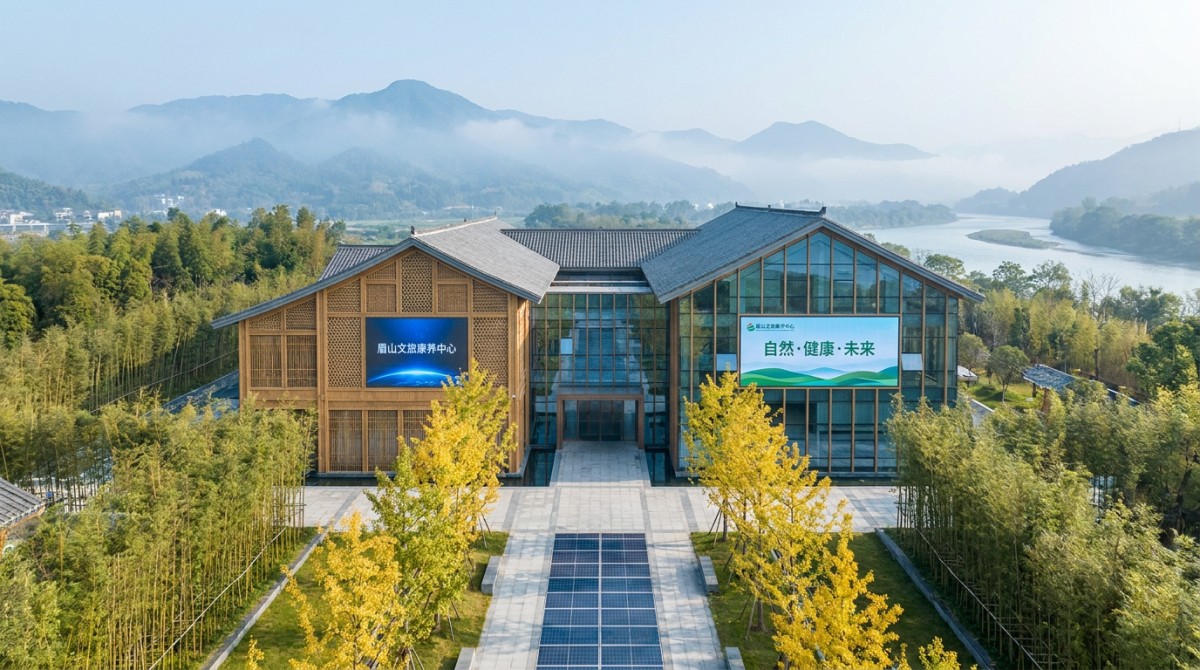
Fair Competition Review Launched for Draft Tourism-Healthcare Plan
On May 27, 2026, the Meishan Municipal Bureau of Culture, Radio, Television and Tourism initiated a formal fair competition review of the draft ‘15th Five-Year’ Tourism and Healthcare Industry Development Plan. The review mandates removal of clauses that impose barriers such as ‘restrictions on foreign majority ownership of projects’ and ‘requirements limiting contract award to locally registered entities’. International market participants are invited to submit written feedback by June 3, 2026. This marks the third jurisdiction in China — following Hainan and Hengqin — to proactively involve overseas stakeholders in shaping local tourism industry rules.
Impacts Across the Tourism-Healthcare Value Chain
Direct Trade Enterprises
These firms may now explore direct participation in Meishan’s public-private partnership (PPP) or concession-based tourism-healthcare projects. Previously excluded by local registration or equity caps, they must now assess eligibility under revised entry requirements and prepare documentation aligned with domestic procurement standards.
Raw Material and Equipment Suppliers
Suppliers of wellness infrastructure components — including medical-grade interiors, thermal therapy systems, and smart environmental controls — face new demand signals. With foreign-invested joint ventures likely to accelerate project execution, procurement timelines and technical specification alignment (e.g., GB standards vs. ISO/IEC compliance) require early coordination.
Contract Manufacturing and Service Integrators
Companies delivering turnkey solutions — from resort-integrated rehabilitation centers to wellness-tech platforms — must re-evaluate local partner dependencies. The removal of ‘local entity only’ clauses enables direct bidding or equity-led delivery models, shifting risk allocation and certification responsibility toward foreign operators.
Supply Chain Support Providers
Logistics, compliance advisory, and bilingual technical documentation services gain relevance. As cross-border consortia form, demand rises for support functions that bridge Chinese regulatory reporting (e.g., fair competition filing, MOFCOM recordal) and international tendering practices.
Key Priorities and Strategic Responses for Firms
Review Equity Structure and Local Entity Requirements
Firms should audit existing or planned Meishan-facing ventures against the draft plan’s proposed removal of foreign equity caps and local registration mandates. Where local JV structures were previously mandatory, standalone WFOE or contractual cooperation options may now be viable.
Prepare for Public Consultation Submission Before June 3
Overseas stakeholders have until June 3, 2026, to submit formal comments on discriminatory clauses. Submissions should cite specific provisions (e.g., Article X on ‘project control rights’) and propose alternatives grounded in WTO TRIMs or bilateral investment treaty principles.
Align Technical Documentation with Domestic Procurement Standards
Projects under the new framework will follow Chinese public procurement regulations. Foreign suppliers must ensure equipment certifications (e.g., CCC, medical device registration), bilingual operation manuals, and maintenance protocols meet both national standards and tender-specific evaluation criteria.
Monitor Follow-up Implementation Guidance
No official implementation timeline or enforcement mechanism has been published yet. Firms should track subsequent notices on how fairness review outcomes translate into revised bidding documents, subsidy eligibility rules, or land-use approval pathways for foreign-invested projects.
Industry Observation: A Signal Beyond Regional Policy
Analysis shows this move is not merely procedural — it reflects a broader recalibration of how inland Chinese cities signal openness to foreign capital in non-traditional sectors. Unlike coastal pilot zones focused on finance or tech, Meishan’s approach targets integrated service industries where regulatory fragmentation has historically deterred cross-border investment. What deserves closer attention is whether this triggers coordinated revisions across Sichuan’s provincial-level healthcare tourism guidelines — potentially creating a replicable model for other central-western municipalities seeking to attract foreign-operated wellness resorts, geriatric care hubs, or digital health tourism platforms.
Strategic Significance for Market Participants
This initiative represents a deliberate institutional signal: regulatory predictability in tourism-healthcare development is becoming a competitive differentiator among inland Chinese cities. While no binding commitments or financial incentives are announced yet, the procedural openness — especially the invitation to foreign stakeholders during the drafting phase — elevates Meishan’s credibility as a potential testing ground for transnational wellness service models. Rational assessment suggests cautious optimism: actual impact depends on consistency between the final plan, subsequent implementation rules, and inter-departmental enforcement coherence.
Source Attribution and Verification Notes
This article is generated exclusively from the provided title, event date (May 27, 2026), and summary text. Specific official source links were not provided in the input and should be verified continuously. Readers are advised to monitor updates from the Meishan Municipal Bureau of Culture, Radio, Television and Tourism, Sichuan Provincial Department of Commerce, and China’s State Administration for Market Regulation — particularly regarding finalized fair competition review reports, updated tender templates, and sector-specific foreign investment guidance notes.
您的1:1旅行顾问将在1个工作日内回复
如何计划行程
按月旅行指南
热门目的地
为什么选择我们

高性价比与透明体验
提供令人惊讶的低价,且不存在可选的旅游陷阱,既能让游客以低成本出行,又能避免不必要的消费套路,保障消费透明性。

个性化与专属服务
支持 100% 免费定制,搭配一对一专家服务,能根据游客的具体需求打造专属行程,同时提供专业指导,提升旅行的个性化和专业性。

优质行程规划
行程紧凑且内容丰富,能让游客在有限时间内体验更多内容;同时精选位置优越的酒店,为游客提供便利的住宿条件,整体提升旅行的舒适度和体验感。