



旅行指南
Inbound Tourism Up 17.1%, Henan Study Tours Surge
Image Placement Plan
Place one visual near the opening section to support the article theme, preferably showing international student travel, cultural heritage routes, or inbound tourism reception services.
The Ministry of Culture and Tourism released a statistical bulletin on June 2 indicating stronger inbound travel momentum in 2025, while the exact event date was not specified. The figures may affect tourism reception, education travel, procurement, manufacturing support, and supply chain service providers because overseas study-tour demand is becoming more visible in official industry data.
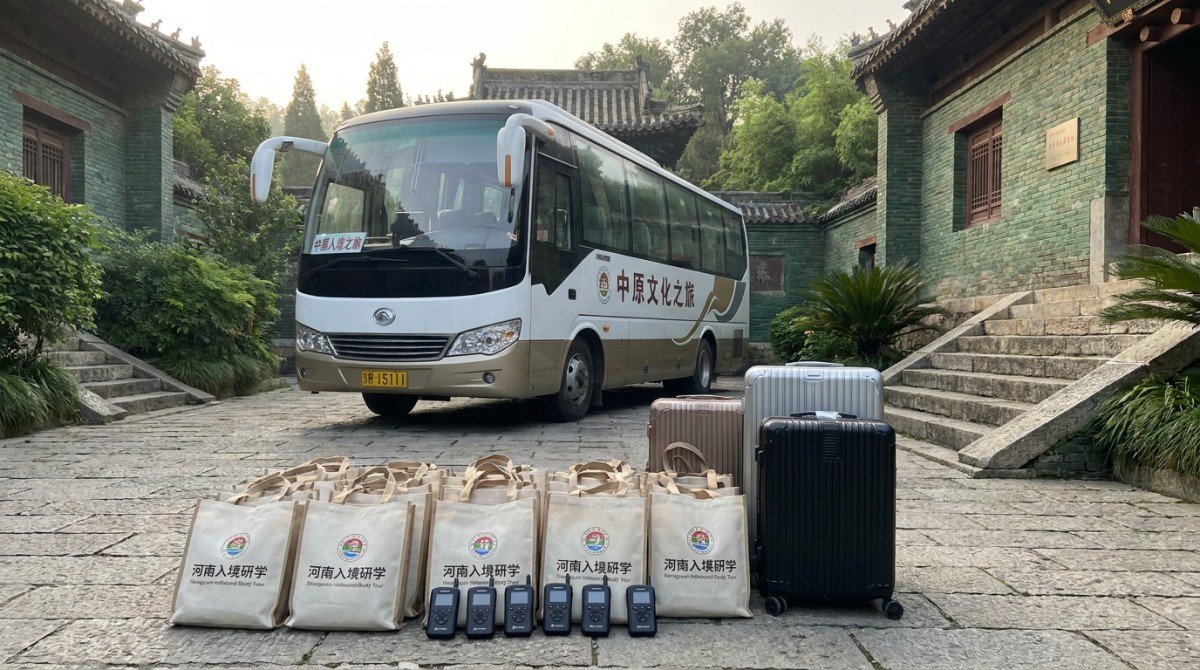
Confirmed Figures From the Latest Tourism Bulletin
According to the information provided, the 2025 culture and tourism development statistical bulletin reported that China received 154.5 million inbound tourist visits in 2025, representing year-on-year growth of 17.1%.
The same information states that bookings by primary and secondary school study-tour groups from Europe and the Americas increased by 103% year on year.
The bulletin also identified historical and cultural routes in Henan and technology-focused study routes in the Yangtze River Delta as preferred options for overseas education institutions. The provided summary indicates that the data supports the view that overseas demand for local reception services in Henan has grown in real terms.
How the Shift Reaches Different Industry Participants
Cross-border travel sellers and direct service operators
Direct trade enterprises in this context include travel agencies, educational travel organizers, destination management companies, and operators selling inbound study-tour products to overseas clients. They are affected because official growth in inbound visits and study-tour bookings can change client expectations for route design, reception capability, contract terms, and service documentation.
The impact is most likely to appear in itinerary planning, group reception coordination, guide allocation, emergency response preparation, and communication with overseas education institutions. These companies may need to watch whether future procurement documents or client requirements place greater emphasis on safety procedures, service traceability, insurance coordination, multilingual support, and proof of operational capability.
Procurement teams for travel supplies and operating resources
Raw material procurement enterprises can be understood as businesses purchasing items and resources needed for inbound group reception, such as educational materials, visitor kits, catering-related supplies, accommodation resources, transport capacity, and route-support services. They are affected because higher study-tour demand can place more pressure on reliable sourcing and advance planning.
The relevant business links include supplier selection, seasonal procurement, service reservation, quality checks, and delivery scheduling. Procurement teams may need to pay closer attention to supplier qualifications, cancellation terms, safety documentation, and whether vendors can support school-age visitor groups under stricter client review standards.
Manufacturers supporting tourism and education travel products
Processing and manufacturing enterprises may include producers of travel equipment, cultural and educational merchandise, signage, digital interpretation devices, safety supplies, and other products used in study-tour reception. They are indirectly affected because routes favored by overseas education institutions may require products that meet higher expectations for durability, usability, labeling, and documentation.
The influence may appear in product specification alignment, packaging, multilingual instructions, batch delivery, quality inspection, and after-sales traceability. Manufacturers should monitor whether buyers request clearer technical files, inspection records, service-life information, or compliance documentation before procurement.
Supply chain service providers and local reception networks
Supply chain service enterprises include transport coordinators, accommodation partners, ticketing coordinators, warehousing and distribution providers, translation support teams, and integrated local reception service providers. They are affected because inbound study-tour groups require coordinated delivery across multiple service points rather than a single transaction.
Key business links include capacity scheduling, route connection, emergency coordination, data handover, and service quality tracking. Providers may need to watch changes in overseas client review practices, documentation requirements, reservation lead times, and performance evaluation standards for group reception.
Practical Issues Companies Should Review Now
Compliance files for student group reception
Companies serving overseas school groups should review whether their operating licenses, partner qualifications, safety procedures, insurance coordination records, and staff training files can be presented clearly to clients. The provided bulletin does not introduce a new certification rule, but the rise in education-related bookings may make documentation review more important in commercial negotiations.
Route resources tied to historical and cultural learning
Because historical and cultural routes in Henan were identified as preferred by overseas education institutions, local operators should assess whether route explanations, site coordination, learning materials, and guide arrangements can support education-focused visits. This is especially relevant for service providers that convert ordinary sightseeing products into study-tour products.
Specification alignment with overseas education buyers
Companies may need to align service specifications with overseas education institutions, including group size handling, learning objectives, translation support, safety briefings, meal arrangements, transport timing, and reporting formats. This should be treated as specification alignment in service procurement rather than as a confirmed regulatory change.
Delivery windows and supplier reliability
With study-tour bookings reported to have grown sharply, operators and procurement teams should consider earlier confirmation of transport, accommodation, educational venues, printed materials, and on-site support. The focus should be on avoiding service gaps during peak reception periods and ensuring that suppliers can provide consistent quality records.
Industry Reading: Demand Growth May Raise Operating Thresholds
Analysis shows that the official data may strengthen confidence in inbound tourism recovery, especially for education-themed travel products. However, it is more appropriate to understand this as a signal for service capability upgrading rather than as proof of guaranteed growth for every operator.
From an industry perspective, overseas education institutions may place greater emphasis on safety, cultural interpretation quality, itinerary transparency, and supplier accountability when selecting destinations. This could gradually raise commercial compliance requirements for local reception companies, even if no new mandatory rule is stated in the provided information.
What deserves closer attention is the interaction between route popularity and procurement discipline. If historical and cultural routes in Henan continue to attract overseas school groups, local operators may face more detailed service audits, more formal quotation processes, and stronger expectations for bilingual documentation and traceable delivery.
Observably, supply chain preparation cycles may become longer for companies that serve student groups, because educational travel often requires coordination among multiple service providers before the trip begins. This remains an industry observation and should not be interpreted as a confirmed policy requirement.
Measured Conclusion for the Sector
The reported 17.1% increase in inbound tourist visits and the 103% rise in study-tour group bookings from Europe and the Americas indicate that inbound education travel is becoming a more important demand segment in the tourism service chain. For Henan-related reception services, the information points to stronger overseas attention to historical and cultural routes.
The broader significance is that tourism operators, procurement teams, manufacturers of supporting products, and supply chain service providers may need to improve documentation, delivery coordination, and service consistency. The impact should be assessed cautiously, with continued monitoring of future policy details, certification practices, tender documents, and market feedback.
Source Note and Items to Monitor
This article is based on the user-provided news title, the stated event timing information, and the supplied event summary. The summary refers to a statistical bulletin released by the Ministry of Culture and Tourism on June 2, but the input did not provide a specific official source link.
Specific official source links were not provided in the input and should be verified continuously. Further monitoring should focus on detailed policy interpretation, certification implementation practices, changes in procurement or tender documents, destination reception standards, overseas education institution requirements, and feedback from tourism industry participants.
您的1:1旅行顾问将在1个工作日内回复
如何计划行程
按月旅行指南
热门目的地
- 中国旅游研究院发布秋季国内定制游市场趋势报告
- 地质探秘游适合带小学生参加吗?
- 庄河农文旅模式引发东盟关注,露营与非遗手作外贸化需看合规
- 同程旅行数据:暑期“工厂游”预订热度涨36%,亲子客群主导
- 沙特OTA开通河南地接直采通道
为什么选择我们

高性价比与透明体验
提供令人惊讶的低价,且不存在可选的旅游陷阱,既能让游客以低成本出行,又能避免不必要的消费套路,保障消费透明性。

个性化与专属服务
支持 100% 免费定制,搭配一对一专家服务,能根据游客的具体需求打造专属行程,同时提供专业指导,提升旅行的个性化和专业性。

优质行程规划
行程紧凑且内容丰富,能让游客在有限时间内体验更多内容;同时精选位置优越的酒店,为游客提供便利的住宿条件,整体提升旅行的舒适度和体验感。